How to Clean Bottle Gaskets and Rubber Seals
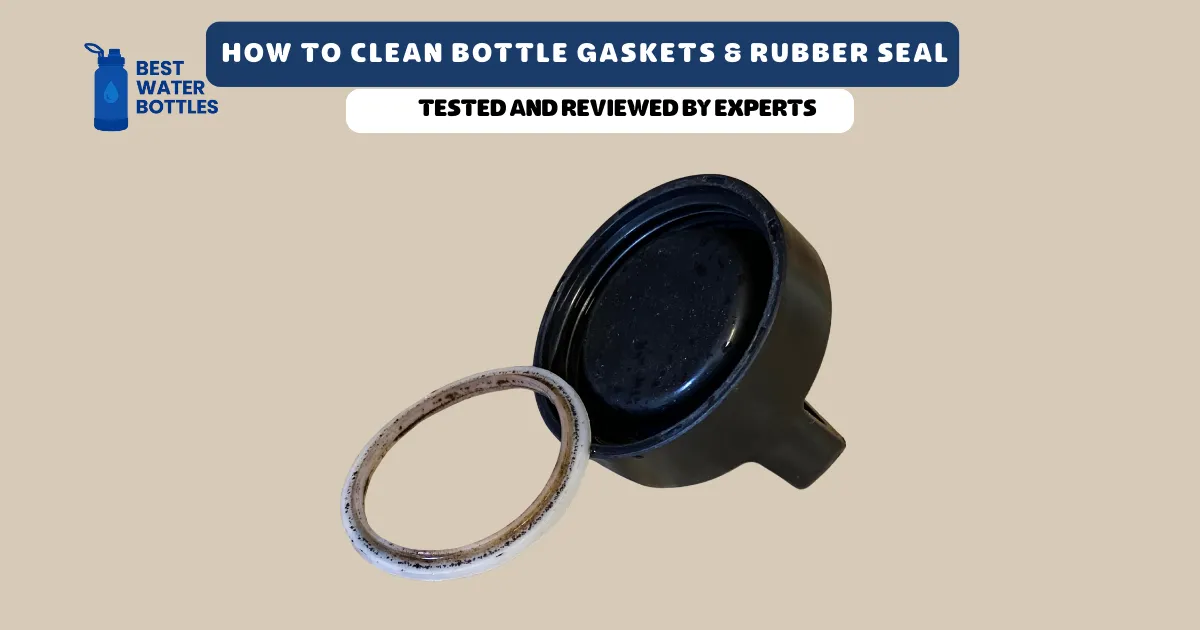
Learn how to clean bottle gaskets and rubber seals properly. Remove odors, prevent mold, and extend their lifespan with simple daily and deep-cleaning methods.
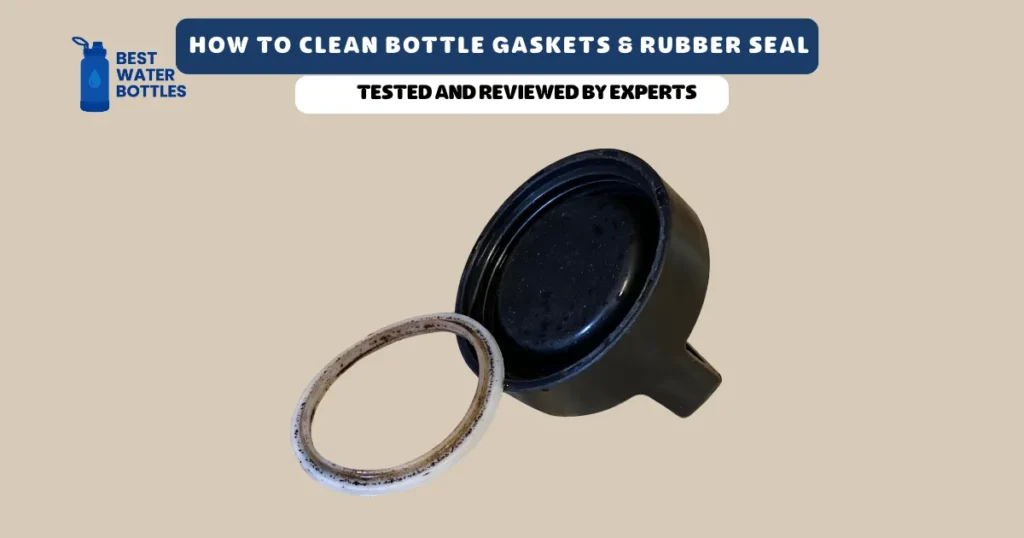
I would assume that all I needed to do was clean the inside of my water bottle, scrub it, rinse it and then it is done. However, at some point I began to notice strange smells in even bottles that I washed on a daily basis. It was then that I knew who was the actual culprit, the rubber gasket. This micro ring is in between the bottle and the lid and it gathers moisture and saliva bacteria, beverage – residue and mineral deposition. Unless it is cleaned frequently, then it is the ideal habitat of molds and smells.
With time, I have realized that the gasket and rubber cover are actually the most critical items to clean since they are in touch with your mouth, as well as moisture. Losing them causes offensive aromas, unpleasant flavors, water leaks and even health hazardous hidden moulds. After I began to keep my gaskets clean and clean routinely, my bottles were fresher, smelled better and lasted longer. It is only a piece of rubber, but little things are big when taken care of.
Understanding What Bottle Gaskets Are Made Of
Prior to my education on how to clean my gaskets properly, I needed to know what they are made of. Most quality bottles are made of food grade silicone, however, there are eco-friendly options that utilize natural rubber. Natural rubber is produced out of latex sap – typically gathered on rubber trees in such nations as Sri Lanka. It is not petrochemically or plasticized and thus is a safer and more sustainable alternative. Silicone gaskets on the other hand are resistant, pliable, heat resistant and are usually applied in contemporary reusable bottles.
It is important to know the material as it will influence the process of cleaning and taking care of the gasket. Natural rubber may dry more quickly and in general be less dishwasher-safe whereas silicone tends to be more heat resistant and can be washed more often. I have come to know that the gasket remains the most exposed component of any bottle regardless of the material. Not only can you clean it using the appropriate cleaning procedures thus enhancing its hygiene but it also increases the whole bottle life span.
See more Water Bottles that we tested
Cleaning a Bottle Gasket How to Clean a Bottle Gasket
I now ensure that when cleaning my water bottle, I remove the gasket as well, as I do daily. Removing it only takes a few seconds, and it is everything. I rinse the gasket with warm and soapy water either by using hands or a small brush and scrubbing off any residue. Gaskets are prone to hold water under their surfaces, and hence their removal and cleaning will ensure unwanted bacteria do not multiply. Instead of cleaning the lid and gasket separately, it is better to wash them in one.
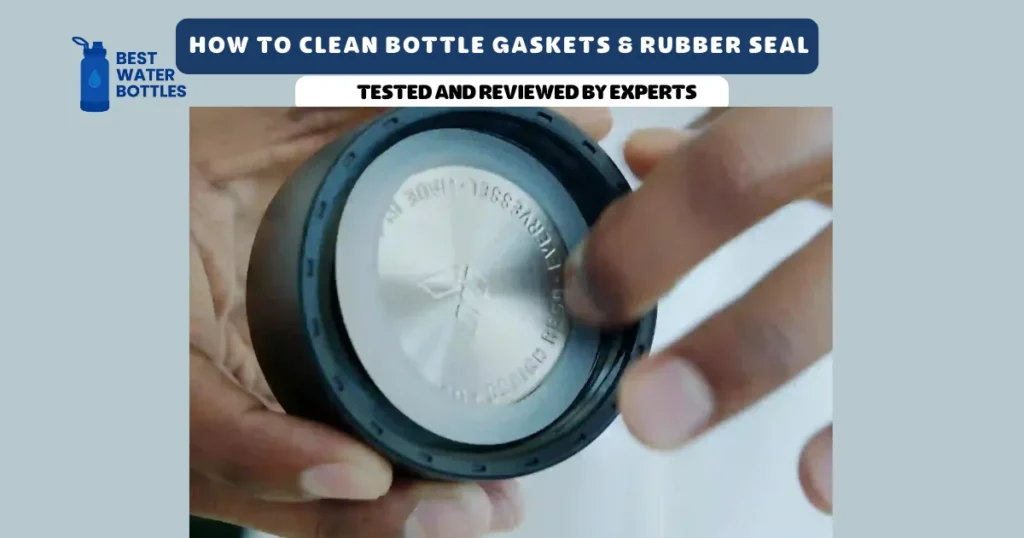
I never put the lid and the gasket back together until they are absolutely dry after cleaning. Mildew and funky odors are primarily caused by the trapped-moisture, and thus drying is necessary. I was surprised to find that my bottle would no longer smell musty when I started removing my gasket every day. As soon as that little change was made, cleanliness and taste began to improve. Every day cleaning will keep your bottle fresh, and it will only take a few seconds to do so.
Odor and Mold Removal of Deep Cleaning Gaskets
Washing can sometimes be done on a daily basis and particularly when the gasket already has a very strong smell. When it occurs, I resort to extreme cleaning techniques such as baking soda, vinegar or a warm soak in soapy water. Tough odors are miracles with vinegar soaked gasket beforehand. Vinegar dissolves oils, bacterial growth and molds naturally. It is among the simplest methods of reviving a gasket which has begun to reek of rubber or staleness.
The other technique I prefer is the past of baking soda. A small amount of baking soda combined with water forms a mild cleaning agent and remover of stains, smells and greasy substances. I spread the paste, rub it and fill it under running water. These techniques are particularly assistive in the event that you have used your bottle to prepare flavored drinks, juice, coffee, or whatever results in leftover sugar. A weekly deep cleaning will ensure your gasket is always in good shape and will eradicate chronic odor issues.
Looking Something for the Outdoors? Check These Out
Freezer Method: A shocking Secret to Removing Odors
The freezer method is one of the unexpected tricks that have helped me to save a few of my gaskets replacement. Whenever I can smell of rubbery odor that will not fade away I just put the gasket in the freezer after a few hours. The cold temperature also functions to kill the smell causing bacteria and counteract the residual smells. This technique is particularly effective with natural rubber that is likely to retain scents more than silicone.
I suggest that the gasket should be allowed to thaw and then replaced onto the bottle. After thaw, I, very briefly, rinse it under warm water. Although it is not an alternative to the real cleaning, it is a wonderful addition to it in cases when the odors are not getting away. I have used it numerous times and it has revived a number of older gaskets without any replacement needed.
Learn More in Our Water Bottle Guides
How to Clean Rubber Seals Safely Without Damaging Them
The biggest error during the cleaning of rubber seals is to using harsh chemicals or abrasive tools. Powerful cleaners have the ability to deconstruct rubber, cracking it and swelling it or rendering it inelastic. I do not change my routine as I use soft dish soap, warm water and natural cleaners such as vinegar or baking soda. They do not damage silicone and natural rubber in the long term. Grime can normally be removed using a soft brush or a sponge.
Natural rubber also should be boiled in cold water. Silicone is able to endure heat significantly, whereas rubber is unable to maintain its shape and is brittle at a high temperature. This is also true of dishwashers the natural rubber is not dishwasher safe; silicone gaskets usually are. It usually takes me a lot of time to wash the gasket by hand and allow it to dry. Gentleness of rubber seals is important so that they should last longer and keep bottle leakproof.
The reason why Bottle Gaskets wear out with time
Although care is perfect, bottle gaskets wear out. Rubber and silicone are slowly losing their elasticity, discoloring, or creating micro-tears that lead to them leaking. The aging process is accelerated by heat, pressure and frequent exposure to moisture. I have observed that natural rubber ages more easily because of the lack of synthetic stabilizers of silicone. This makes it more environmentally friendly but at the same time requires increased maintenance.
When a gasket begins to crack, is sticky, is crooked or has an odor that cannot be removed despite being thoroughly cleaned, it needs to be substituted. An aging gasket may break the seal of the bottle, resulting in leakages or the entry of bacteria, replacing the gasket is quick and in many cases cheap and immediately makes a bottle feel new again. A few of my favorite bottles, I saved a few of them by simply changing the rubber seal at the right moment.
Common Causes of Gasket Wear
- Heat exposure
- Moisture buildup
- Frequent stretching
- Dishwashers (for natural rubber)
Warning Signs of a Worn Gasket
- Cracks or warping
- Loss of elasticity
- Persistent odor
- Leaking bottle
See my comparison of different Bottles & Tumblers
How to save Bottle Gaskets to Live Long
It is important to note that good storage is significant in lengthening the life of rubber seals. I would always take out the gasket whenever I save a bottle longer than a few days. Keeping it in the lid traps the moisture and promotes the growth of the mold. I keep the gasket in a separate place in a dry and cool place where there is free air circulation. This prevents the rubber to dry too fast or to take up undesirable smell of the bottle.
The other advice that I stick to is not being exposed to direct sunlight or sources of heat. The UV light contributes to degradation of rubber in the long run and cracking. I now know that I should never leave my bottle or more particularly the gasket of the bottle in a hot automobile or even on the windowsill. Proper storage of gaskets will help them to last long and be flexible enough to form a good seal each time.
See my comparison of different Bottles & Tumblers
Eco-Friendly Rubber: Natural vs Synthetic Materials
I like natural rubber gasket because it is environmentally friendly. Latex is now sourced using Fair Trade certified rubber farms which make the brands environmentally friendly and socially responsible. Natural rubber is natural and does not depend on the use of petrochemical materials or plasticizers. It is harvested off tree sap and carefully processed and formed into seals that can be repeatedly used again on food and water.
But since natural rubber is a pure organic substance, it is harder to manage than silicone. Neither does it like extreme temperature, extreme laundry detergent, or soaking in hard chemicals. This knowledge has made me change the way I wash and keep my natural rubber gaskets and thus remain in great shape. Natural rubber seals are available and can be very durable when well maintained and provide the benefit of a natural substitute to synthetic alternatives that are harmful to the environment.
How to Replace Gaskets Correctly
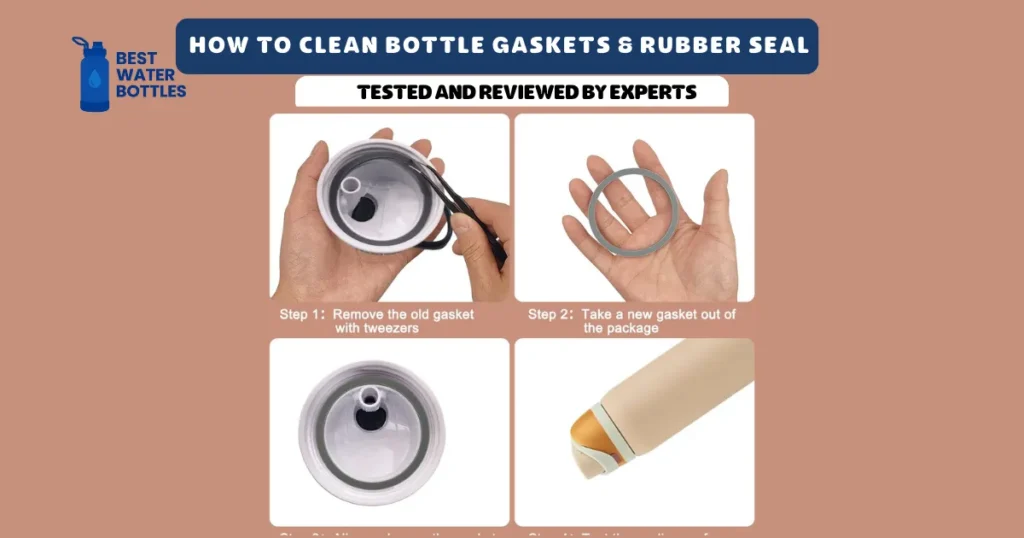
Sooner or later, all gaskets have expired. I change mine when they no longer seal well, they have a sour smell or when they are no longer smooth and flexible. The replacement gasket sets are also available in various colors in many different brands of bottles, so it is not so difficult to change the gasket of your bottle, rather than buy another one. Replacing the gasket can be done in a couple of seconds and instantly increase the hygiene and performance.
It has been really convenient to have a couple of additional gaskets. I store reserve seals in a draw to be able to change them every time I notice that one of them begins to get worn. The most economical and the easiest method of prolonging the life of any reusable bottle is to replace the gasket. Rather than disposing a good bottle, replacing the seal makes it last years in a corruptionless manner.
Honest Water Bottles & Tumbler Reviews You Can Trust
FAQs: How to Clean Bottle Gaskets
Final Thoughts
The idea of washing and taking care of bottle gaskets has transformed the manner in which I take care of all my reusable bottles. As soon as I understood that underneath those small rubber rings, there are a lot of bacteria and moisture, I began to pay them the attention they should get. Gaskets should be kept clean, carefully handled and cleverly stored to maintain a clean and safe environment. Whatever material your bottle is made of silicone or natural rubber, it still matters a lot to spend several minutes cleaning the gasket to increase the level of hygiene and durability.
My bottles no longer have an odor, my drinks now taste better and my seals take much longer to wear out. Having a light cleaning routine and a deep cleaning every now and then, bottle gaskets are reliable and healthy to use on a daily basis. A small attention will produce great things–and your bottle will remember you each time you draw a fresh and clean draught.