How to Use Reusable Bottles to Minimise Plastic Waste
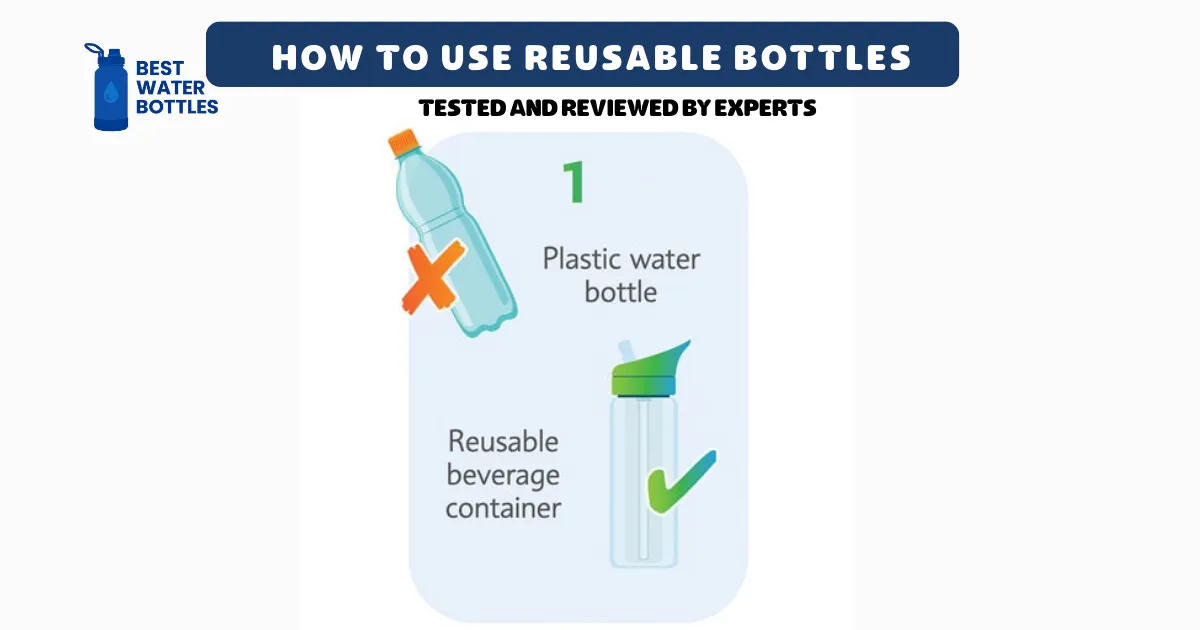
Learn how to use reusable bottles helps reduce plastic waste, save money, and protect the environment with simple daily hydration habits.
Plastic waste is one of the most visible environmental issues of our era, and one of the components of it is disposable plastic water bottles. One of my habits is to purchase bottled water without thinking much because it is convenient. Gradually, plastic pollution changed my habits entirely because of the information I heard about it. The idea of switching to a reusable water bottle proved to be one of the most useful and effective methods of lessening my personal plastic footprint.
Reusable bottles are not only an environmentally friendly trend, but also an economical change of lifestyle, which not only saves money but also protects health and causes less harm to the environment. This minute habit can have a huge aggregate effect when it is maintained in the small group of people, the families and the working places. Throughout this guide, I will discuss how reusable bottles can be used to lessen plastic waste, how the transition can be achieved without much ado and why such a decision is significant than most people think.
The advantages of using reusable bottles over plastic bottles
Reusable bottles are superior in three major reasons; environmental impact, health and long term cost savings. Disposable plastic bottles are made in such a way that their disposal is intended to be used once, but they may require hundreds of years to decompose. Whenever I fill my reusable bottle, I am saving another chunk of plastic to be found in the landfills, rivers, or oceans. A mere gesture like that is quicker to accumulate than you may imagine.
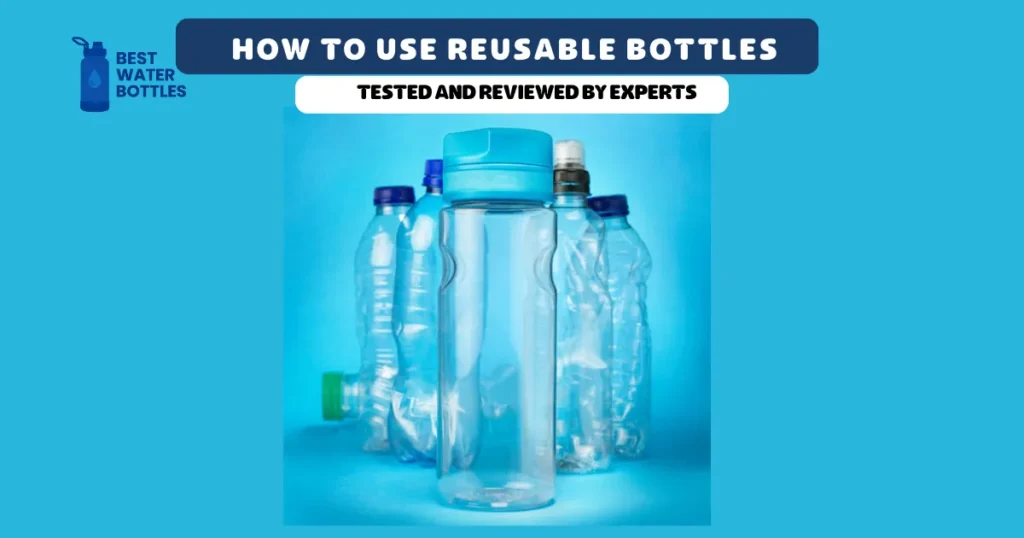
Another aspect that most people do not pay attention to is the health aspect. It has been found that even in the case of bottled water, sourced in treated tap water, microplastics may be contained in it. Stainless steel and glass reusable bottles do not leak chemicals and do not shed plastic. Gradually, I developed tranquility of mind as to whether I was drinking what I was drinking and what my bottle was constructed of.
See more Water Bottles that we tested
The Process of Making the Switch to Reusable Bottles
The switch does not mean drastic lifestyle changes, but creating a habit. The initial thing to do is to select the suitable reusable bottle that suits your daily lives. Bottles made of stainless steel are good-quality and resistant and those made of glass are easy to clean and tastier. I selected one that fitted in the movement as I go through the day, thus making it simpler to adhere to.
The second one is pre-planning. Having a reusable bottle at hand, in your bag or in your car or on your desk, will eliminate the urge to purchase bottled water. When I made my bottle as available as my phone or wallet, it was no longer possible to dispose of disposable bottles. The actual key of consistency is convenience.
Looking Something for the Outdoors? Check These Out
The Right Reusable Bottle to Your Lifestyle
Not any reusable bottle is equal and the difference between two bottles could be essential. I would suggest a bottle with no BPA, easy to clean and durable. Insulated bottle is ideal when one prefers all day cold water, whereas lightweight bottle is useful in traveling and on short trips. Learn How to Use Reusable Bottles to Minimize Plastic Waste,
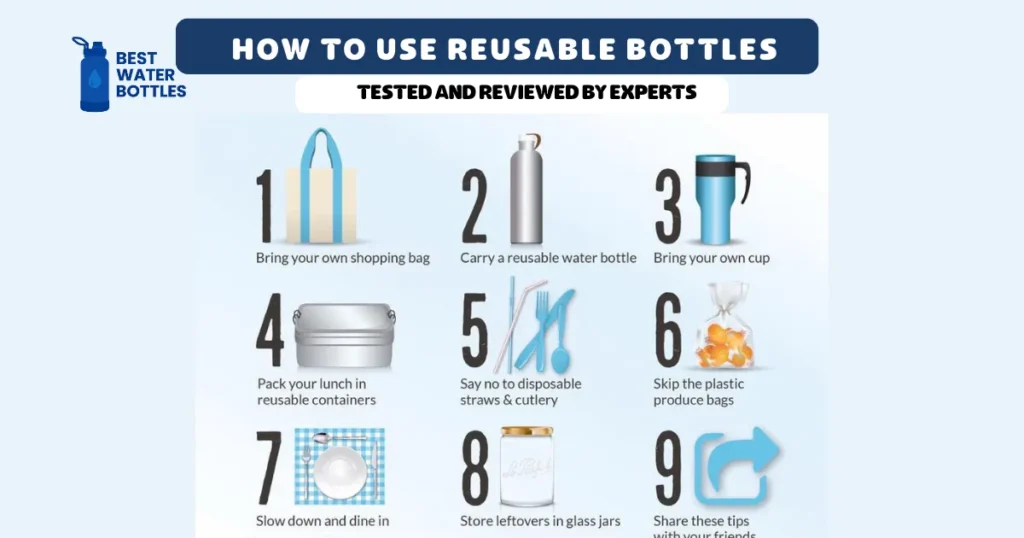
Material choice matters too. Stainless steel bottles are durable, tough and good in temperature regulation. Glass bottles have the clearest taste and they are also best suited to use at home or in the office. The best bottle is the one you will actually use on a daily basis and not the one that looks good in a shelf.
Filter Your Tap Water to Have a Better Taste and Trust
Taste is one of the factors that make people use bottled water. I installed a basic home water filter, and this totally transformed my experience. Regardless of whether it is a pitcher, faucet filter or an under-sink system, filtered tap water is as flavorful as or better than bottled water, without all the plastic waste.
The reason of not trusting tap water is also done away with by the filtered water. With a filter on board, it becomes very easy to fill up your reusable bottle. This single upgrade breaks the last chain that has stagnated many towards the disposable bottles.
Learn More in Our Water Bottle Guides
Get used to Bearing a Bottle
Consistency is the most appropriate strategy of minimizing plastic waste. I began to keep my reusable bottle as a necessity as keys or a phone. It became automatic by keeping it in the same place every day. Plastic waste reduces of its own when hydration is no longer a desire but a necessity.
It is also an addictive habit that brings a mental break. Impulse purchases are eliminated when you already have water. Such a minor inconvenience of purchasing bottled water is mighty. With time, refilling becomes second nature as opposed to rebuy.
Refill Stations Public Use When Available
Refill stations are increasingly being established in parks, gyms, airports, offices and schools. I now actively seek them out, and it is amazing how many you get when you begin to pay attention. Several sites also offer water filtered or chilled at no cost.
The concept of water not having to be packaged in plastic is strengthened with the refill stations. It also influences other people around you to do so. The more sustainable hydration is being normalized the more visible are reusable bottles.
See my comparison of different Bottles & Tumblers
Beyond Water Bottles: The Impact of Going Beyond
Reusable bottles are not the only beginning. When I got the habit of carrying my own bottle, which felt comfortable, I extended it to other places. A reusable coffee cup will help decrease the waste produced by cups when going to the cafes, and a significant number of stores even offer a discount on the use of a reusable coffee cup.
The packaging garbage also is reduced through bulk purchases of groceries and filling reusable containers. Even when you go with your water bottle to make tea, juice or flavored drinks, this would reduce the plastic packaging. Such little changes support one another and form a waste-minimizing routine with time.
One Bottle, Less Plastic Waste
The numbers are eye-opening. By avoiding a single bottle of plastic a day, it will avoid using more than 300 bottles in a year. Take that times families, times offices, times schools and the effect becomes gigantic. Approximately one million plastic bottles are sold every minute all over the world, this indicates the urgency of the problem.
Each reusable bottle is a symbol of hundreds of plastic bottles that do not have to be manufactured, shipped, or recycled. This will eventually cut waste in landfills, and ocean pollution, as well as fossil fuel consumption on the production of plastics.
Environmental Impact of Plastic Bottles
Plastic bottles are bad way before they are discarded. They start out as oil which is extracted, refined and extracted through energy consuming procedures. Every year, millions of barrels of oil are approximated to be used in manufacturing disposable water bottles. That is an environmental cost that is incurred before the bottle is even in the store.
Plastic bottles once wasted may require hundreds of years to deteriorate. Most of them are washed into the oceans and cause destruction to marine life and become food chain. Being aware of that meant that I could no longer make the excuse of drinking water using single-use plastic.
Honest Water Bottles & Tumbler Reviews You Can Trust
What Happens to the Plastic Bottles once they are discarded
Failure to recycle the plastic bottles properly means that they are dumped in the landfills that decompose slowly to emit toxic chemicals. These chemicals may leak into the soil and ground water sources, which impact on drinking water and the ecosystems. The very process of recycling consumes energy and resources even in cases of bottle recycling.
Recycling is a good start, but it will not solve everything. Very little of the plastic bottles is recycled successfully. This is why it is so much more effective to reduce the usage at the source, i.e. by using reusables rather than using recycling as the remedy.
The Reason Recycling will not Suffice
Out of every six bottles of plastic to be bought, only one of them is recycled. Even recycled materials such as plastic are further recycled into substandard materials that end up being waste. This implies that plastic does not disappear but it just goes around the environment.
Reusable bottles will put an end to this cycle. They lead to a decrease in the demand of plastic production and the elimination of the need to dispose. In my view, prevention is better than cure and reusable bottles are an ideal example of this rule.
The Long-term Effect of Reusing the Bottles
A reusable bottle is economical, causes less pollution, and is healthy. In time the savings accumulate- there is no need to buy bottled water every day any more. More to the point, it helps in a greater cultural change toward finding convenience in the use of something that can be reused.
Reusable bottles are beneficial to the environment when families, schools, and workplaces embrace this reusable practice. This easy practice will help us be responsible, promote sustainability, and demonstrate that even simple actions may bring significant change.
FAQs – How to Use Reusable Bottles to Minimize Plastic Waste
Final Thoughts
One of the most effective, but most easy steps that you can take towards reducing the amount of plastic waste is switching to reusable water bottles. It takes little effort, is short-term benefit-producing, and long term environmental effects. The benefits are unquestionable, whether it is saving money or saving oceans.
I never looked back once I had made the switch. Using a reusable bottle has changed my drinking behavior and minimized the use of plastic without decreasing convenience. This is one change that delivers in case you are seeking a practical way of making a positive impact.