How to Clean Hard Reach Areas in Narrow Water Bottles
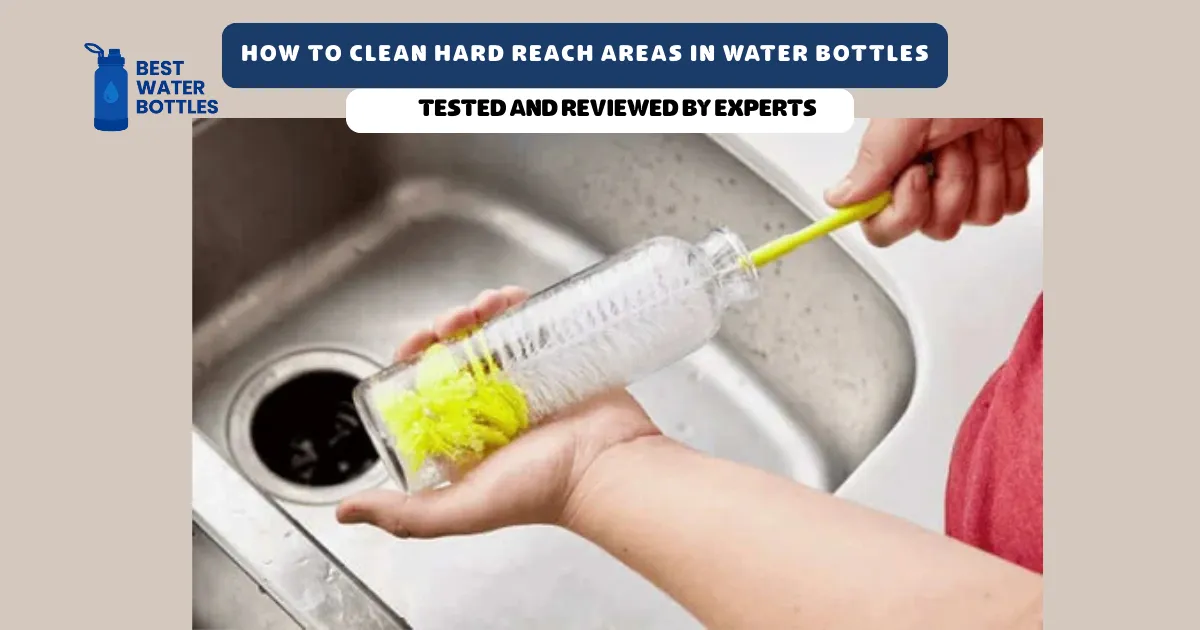
How to Clean Hard Reach Areas in Narrow Water Bottles. Learn soaking, shaking, and drying methods to remove residue, mold, and stains from hard-to-reach areas.
As soon as I have begun using the narrow-neck bottles, I soon understood how hard it becomes to wash them. Even a normal brush will not squeeze in, rattling against the soapy water can remove mere surface lavage and moisture held on the bottom of the container makes the ideal location of the mold. As time passes the accumulation is not only to the appearance of the bottle itself but also to the flavor or smell of the what you keep in the bottle. Widely used narrow water bottles bottles do not need simple cleaning, they need deliberate and thorough methods that touch on the dark corners.
I got the lesson that failure to clean these narrow cracks causes stubborn stains, unpleasant odors, and even bacterial infestation. It could be a bottle of water, a bottle of oil, or a bottle of an essential oil, and all of them have their own peculiarities in regard to cleaning. The secret lies on the correct mixture of soaking, shaking, and drying techniques that the special tools are not necessarily needed. As soon as I learned how to clean these bottles properly, it became much simpler, and I did not need to be afraid that some dirt was not visible.
Begin With a Deep Soak to Release Residue
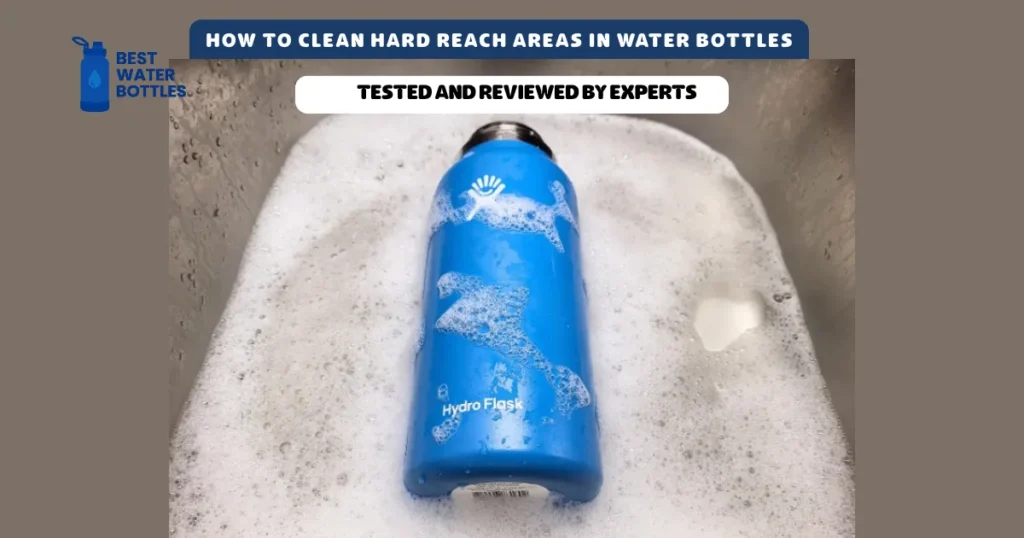
The first thing I do when washing any bottle with a narrow opening is to drown it in deep water as this loosens the dirt inaccessible to the brush. I add either vinegar or dish soap to the bottle of warm water and depending on the contents. Mineral deposits, odours, and oils and sticky residue are addressed using vinegar and dish soap respectively. To allow the solution to loosen everything in the bottle, it is advisable to allow the bottle to soak at least 15 minutes. The step reduces the cleaning process into pure efficiency.
When it is hard to remove, hot water is better but I do not pour boiling water into cold glass. The temperature difference may lead to cracking of the bottle, hence my practice is to warm the bottle beforehand. When it has sunk, I shake the bottle violently to remove the loose matter that was deposited on the sides and bottom. This easy pre-treatment procedure has saved me many hours of scrubbing and most of the problems of permanent staining.
See more Water Bottles that we tested
Washing Narrow bottles with just Soapy water and shaking
In the situations when I do not have any tools at my disposal, I turn to the most ancient cleaning secret when it comes to shake, shake, and shake. I put warm water and a large drop of the dish soap and cover the opening with my hand or a cap. Vigorous shaking of the bottle will assist in scrubbing the inner part using the soapy water. It is not ideal but it gets off quite a surprising amount of residue, particularly when the bottle is not very stained.
This technique is further successful when I repeat a number of times. The flow of water in the small water bottle assists in lifting the residues on the base and neck. And in case the bottle remains cloudy then I know that I should give a deeper approach. However in the absence of tools when I have to clean my bottles at a quick pace daily, this very simple shake-and-rinse method keeps my bottles cleaner and does not allow any accumulation to happen.
Looking Something for the Outdoors? Check These Out
Scrubbing with Cleaning Beads or Rice or Salt
Adding something abrasive to the inside of the bottle, such as cleaning beads of stainless steel, uncooked rice, or coarse salt, is another cleaning tip that I like the most. These serve as mini scrubbers, which get to locations that can not be accessed by brushes. I put a little bit of rice or beads in it, pour in half the bottle of warm soapy water and shake. The grains are used to remove residue and the water uses more effort to loosen the deeper deposits.
It is particularly effective when used on bottles of dried oils or the moulds on the bottom. then, after a minute or two of shaking, I pour out the bottle and find how much the inside is already cleaned. Before the bottle dries, I use a lot of water to wash-down all the particles. It is a very easy, and no-tooth method, but quite effective, and saves bottles which I thought were destroyed.
Eliminating Mineral Deposits by a Vinegar Soak
By living in a place with hard water or deposits of minerals, or even by using your slim bottle often, an eventual deposition of the mineral will be formed. This happened when I saw cloudy white spots in the middle of the glass which could not be removed by scrubbing. Covering the bottle with white vinegar and leaving it to soak in it one or two hours is the easiest solution that I came up with. Mineral deposits are easily dissolved by vinegar and the inside is now clean again.
I soak then run under warm water followed by examination of the base to see whether there are any spots left. In some cases, I repeat the soak in case the deposits are dense. Vinegar is not harsh on glass, metal and stainless steel and therefore safe on most types of bottles. And it is one of the surest methods I have discovered to put the brain back on track and clean off years of a dirty business of bottle-necks.
Learn More in Our Water Bottle Guides
Washing Organic Residue such as oil, perfume or vegetable matter
This is another challenge of oil bottles, essential oil containers, and narrow vases due to the fact that oils attach to glass stubbornly. I apply hot water first to loosen the oil film then I use it to remove the oily residue. After that I put baking soda and vinegar into the bottle. The bubble effect will aid in removing the oil off the walls and base. I shake the bottle after 10-15 minutes with rice or salt to cause additional scrubbing.
To clean organic residue such as dried flowers or plant material that is found in a vase, I use rice, dish soap, and warm water and shake thoroughly. I then wipe the bottle down with hydrogen peroxide as I clean it and eliminate the residual odor. Even the stickiest of oils and darkest stains can be cleaned up by these methods and no specific brush or cleaner is needed.
See my comparison of different Bottles & Tumblers
How to Clean Slender Water Bottles In Detail
Bottles of water might be easier, but their thin ones are also famous due to being covered with mould and moisture at the bottom. I will always begin by taking them apart and removing the lid, any straws, gaskets, or silicone rings in order to clean them. It is even these little components that conceal the residue causing the bad smell of the bottle. As the sections of the lid are soaked in vinegar or dish soap, I clean the bottle itself deeply with the help of vinegar, beads, or baking soda.
After cleaning, I wash all that with warm water and dry it with the air. Bottles with thin necks do not dry quickly and thus when left in an inverted manner, moisture that was trapped is avoided. I also came to know that it is as much a part of cleaning as drying, particularly when it comes to mold or bacteria. Such measures make my water bottles healthy and scentless every day.
Drying Methodologies to avoid Mold and Smell
It may be annoying that narrow bottles are hard to dry since it is not so easy to have air circulating inside them. To prevent sour smell and mold, I always dry up bottles in an inverted position, that is, on a rack. To dry faster, I lean them or stand them on a drying stand that has a design of holding narrow objects. Other times I put a rolled paper towel in the bottle so as to dry the bottom of the bottle fast.
I also ensure that the lid and the gasket are dried individually and then the bottle is reassembled. One of the most common causes of the mold of the reusable bottles is the presence of moisture underneath the gasket. My bottles have been able to remain fresher longer with proper drying methods and will not need to be deep cleaned as much. Even with the limited cleaning tools, good drying habits ensure that narrow bottles are kept hygienic.
Storing Narrow Bottles to be used on a long-term basis
It was easier to keep my skinny bottles clean after working out these cleaning techniques. Now I wash them in hot water each time I use them, particularly when I keep oils, vinegar or flavored beverages. The weekly soaking helps to avoid stubbornness and monthly deep cleaning takes care of anything I might have overlooked. Periodical maintenance ensures that the bottle is hygienic and lasts a long time.
I also look at the bottle to be scratched or cracked but definitely in relation to glass. Areas that are damaged also contain residue and are more difficult to clean. It is also important to keep the lids, gaskets, and stoppers clean as these are the elements that influence the overall hygiene. Regularly attending to them, narrow bottles are more hygienic and less complicated to handle as they do not have to be subjected to stern chemicals and sophisticated instruments.
FAQs: How to Clean Hard Reach Areas of Water Bottle
Final Thoughts
Washing of narrow bottles may be difficult initially but after learning the correct methods, it became faster and easy. Even the hardest stain can be washed without special equipment with such simple things as rice, vinegar, baking soda, and hot water. Sovaking, shaking and drying are the key factors that make my bottles always fresh, clear and have no odor. All these simple mechanisms can be trusted whenever I am cleaning oil bottles, water bottles, slim vases, and glass containers.
Keeping these bottles clean will also ensure that mould is kept away, the odors are minimized and that deep cleaning is done in a shorter time. It is easy to clean even the most inaccessible places with the right attitude. Slim bottles are no easy task, but they are not impossible to keep. These are practical ways of ensuring that they are reusable and clean, safe and hygienic at all times.