How to Clean Plastic Bottles like Nalgene: My Easy Routine in 2025
Learn how to clean plastic water bottles like Nalgene with my easy 2025 routine to remove odors, stains, and bacteria for safe daily hydration.
When you use a reusable plastic bottles, you are aware that it is not as easy as the stainless steel, glass or silicone bottles to clean. I have been using my Nalgene on hikes, in the gym, and in town, and soon I noticed that it could be dirty without washing and my water could never have tasted as good as it could.
This tipster is everything about keeping your bottles of plastic in good, clean and smell-free condition. Going through the steps that I do every day, you will be fully informed on how to take care of your bottle to ensure that it is safe, hygienic, and even prepared to take every single drop. Plastic bottles are not difficult to clean, and only a systematic attitude and the right equipment are required.
The Differences between Plastic Bottles and other materials
Plastic packages do not act like stainless steel or glass. Plastic on the other hand is more likely to retain odors and flavours with time as compared to those materials. Although your bottle may be clean, there may be bacteria that are trapped in the microscopic pores within the plastic, and that is why my Nalgene occasionally has the uncanny plastic flavor when I forget to wash it one or two days.

Plastic is also not so tough as glass or steel thus it is easily scratched. Each and every microscopic scratch is a nest of bacteria. I have over the years also learned how not to use abrasive sponges or rough dishwashers but use a soft bottle brush. This keeps my bottle hygienic and odor free as well as prevents scratches.
If you are interested in plastic bottles then read my separate article of Best Plastic Water Bottles.
See my comparison of different Bottles & Tumblers
Step 1: Have the appropriate Cleaning Supplies
My preparation before scrubbing is to ensure that I have the right tools. To clean simple, I take warm water, dishwasher soap that is free of fragrances, a soft bottle brush, and a straw one. Such simple things are sufficient to wash my Nalgene every day.
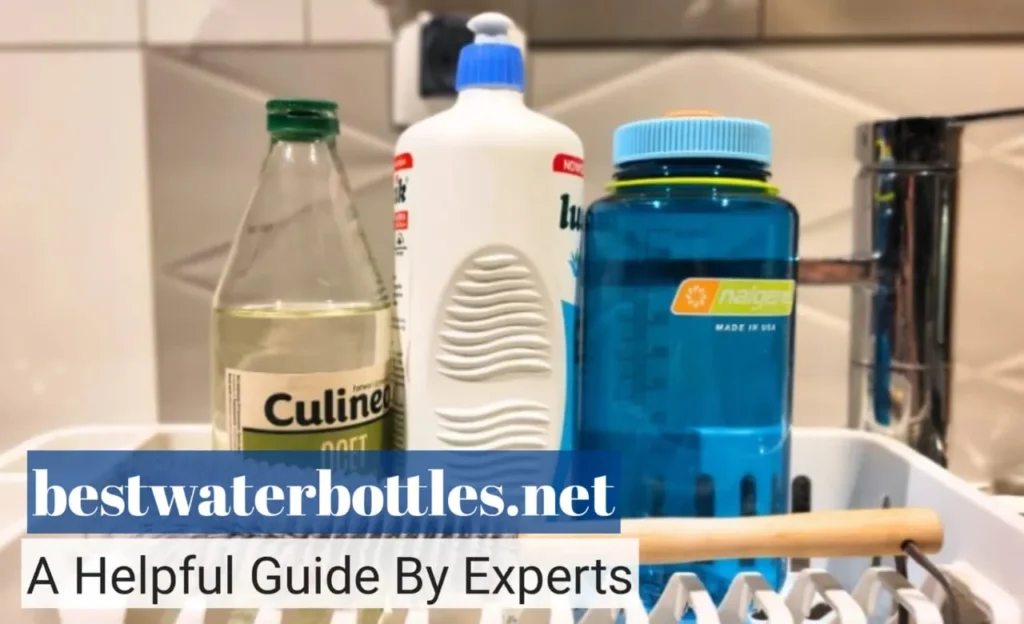
In more serious cases of cleaning, I have white vinegar. It is a natural agent that eliminates smells and grime without chemicals. Another way I do this is by drying everything using a drying rack or a clean towel so that no water gets stuck inside and this can help to prevent the growth of mould and odor.
Step 2: Break Your Bottle Apart
I first remove the caps of my bottle. The Nalgene has just two primary components- the bottle and the lid, however, certain plastic bottles have straps, gaskets, clips, or straws. I ensure that I take away all the removable objects to have a chance to wash all corners and cracks.
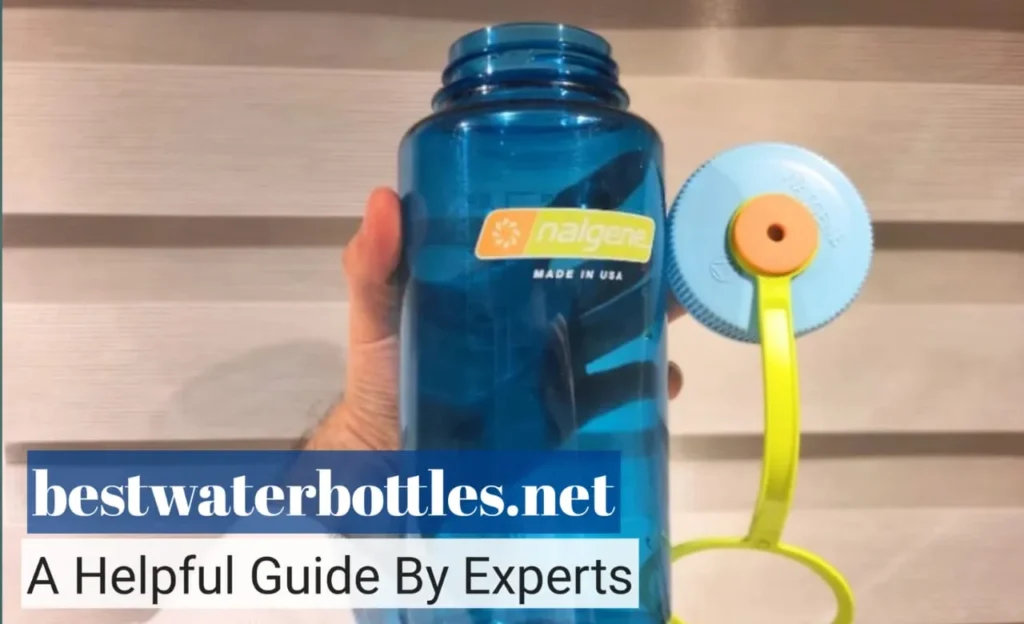
Taking the bottle apart allows bacteria to be prevented in concealed areas. I am very careful with each section and brush my way into small crevices. At this point, when all the separation is complete, I am now willing to proceed to the actual cleaning step without concern of leaving out any areas.
Step 3: Daily Cleaning Routine
I begin by putting a couple of drops of a light dish soap into the bottle followed by half full of warm water. To purify the inside, I rinse the inside with a soft brush of a bottle usually with a lot of care especially in the bottom where the dirt prefers to be stuck. It is my daily habit and it keeps my bottle fresh without any bad accumulation.
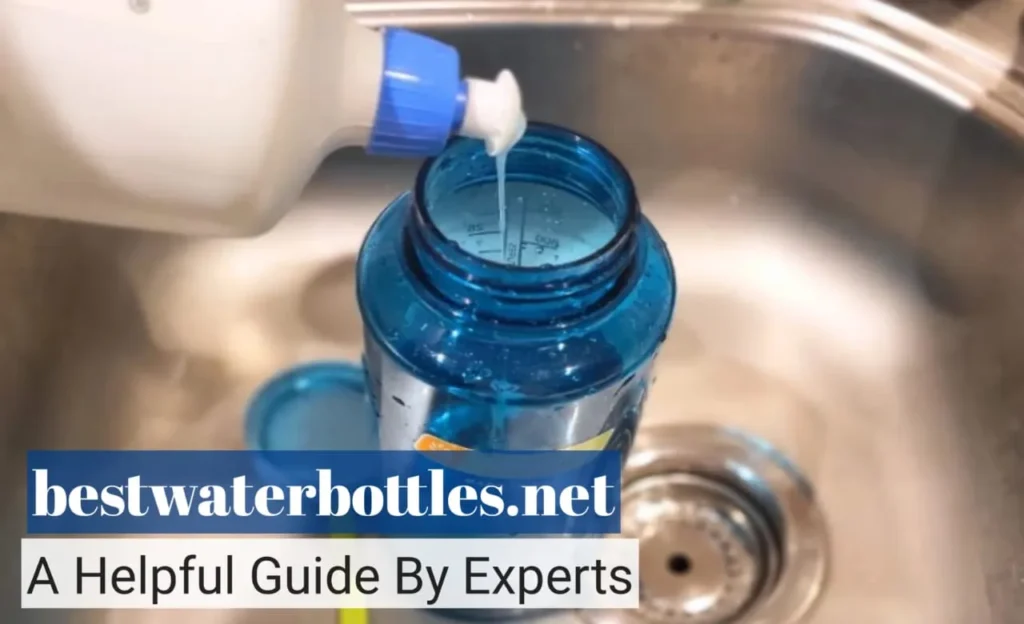
In the event you do not have a brush, shaking the bottle with soapy water does the same thing albeit not as well. After scrubbing all the parts, I rinse with warm water until all the soap is removed. This is when my bottle is really clean and is ready to be refilled again.
Step 4: Do not forget about the lid and straw
The lid and the straw are the parts that are not given much attention, yet they contain most bacteria. I also brush with a straw to reach every crevice and in case my lid has a gasket, I take it off to have a good cleaning. The odors can be trapped in the little rubber ring inside in case of neglect.
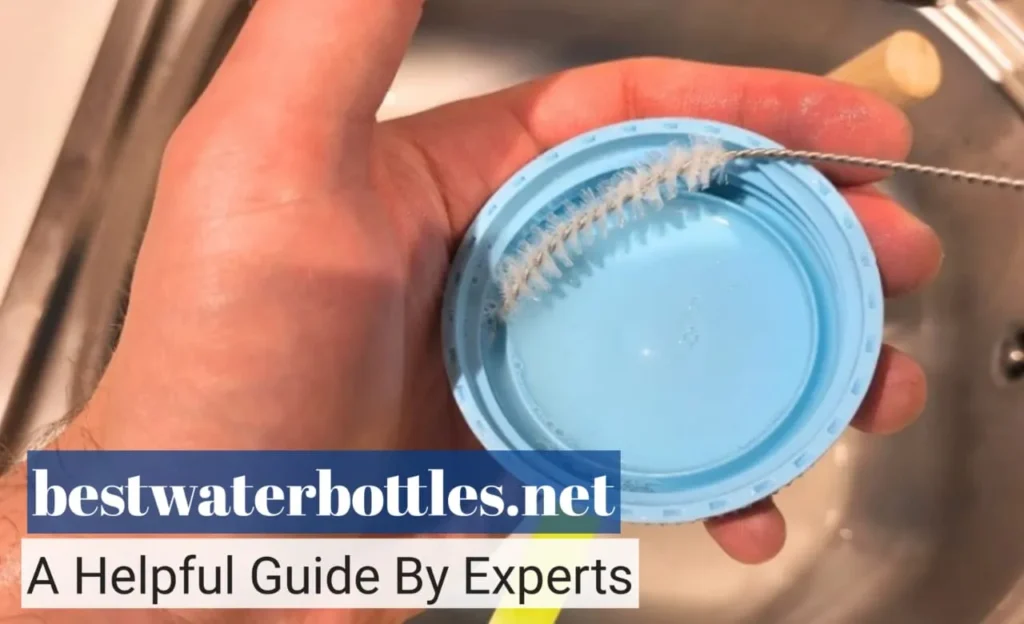
In case, your bottle does not have a removable gasket, such as in my Nalgene, give attention to scrubbing about the spout. I also clean the straw completely; it is not necessary to clean it briefly. The few minutes of time taken here make all the sips taste fresh.
Step 5: Drying Methods
Rinsing I dry myself off and place the bottle upside down on a drying rack or clean towel. I breathe a little so that it does not get trapped in the bottom since the moisture is kept in throughout.
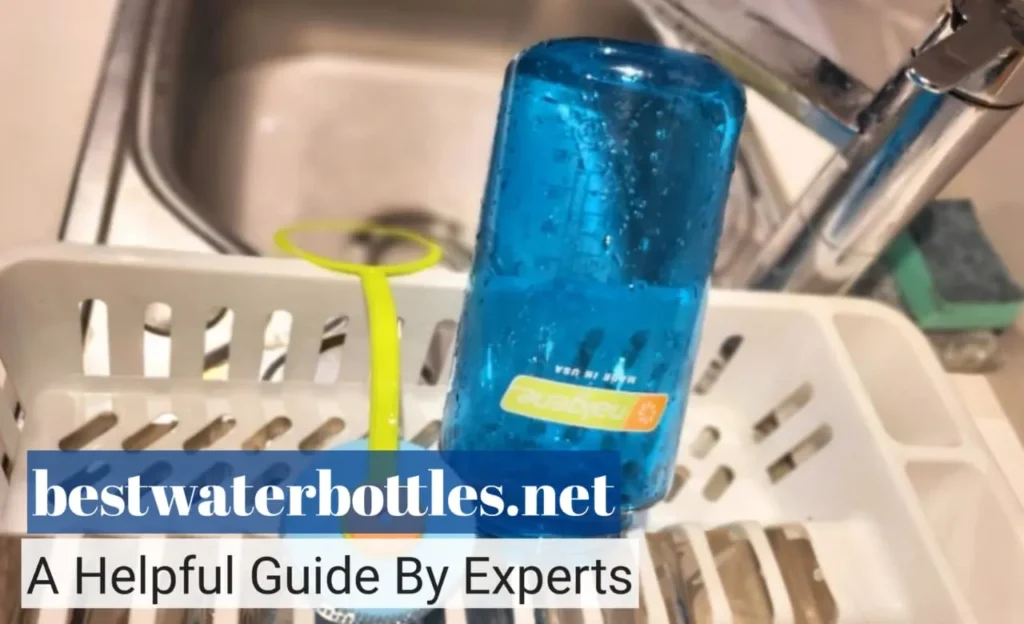
Other parts such as the lid dry up separately. This process will make sure that no bacteria or mold is generated due to trapped moisture. With time, however, I have discovered that proper drying is as important as washing itself, and as such, my plastic bottles are always fresh and durable.
Step 6: Intensive Cleaning of Difficult to remove Residue
Not all the time cleaning a day is sufficient. A deep cleaning is needed to get rid of cloudiness, persistent smell, or mold. I prefer the approach of white vinegar. I pour half a bottle of warm water and 1-2 tablespoons of vinegar in the bottle and allow it to rest between 10-15 minutes. In case of hard accumulation, I leave it to soak a couple of hours.
The bottle is then soaked, and scraped clean with a brush, the lid and straw being cleansed in the vinegar separately. Last but not least, I run under water. This thorough wash brings back the clarity, gets rid of the smell and makes each drink safe and delightful.
Learn More in Our Water Bottle Guides
How and Why Plastic Bottles Get Cloudy
With time, my Nalgene becomes cloudy or hazy. This occurs because the minerals, scratches and leftovers accumulate within the plastic bottles. It is a natural process and particularly when it is used often it may render the bottle less attractive.
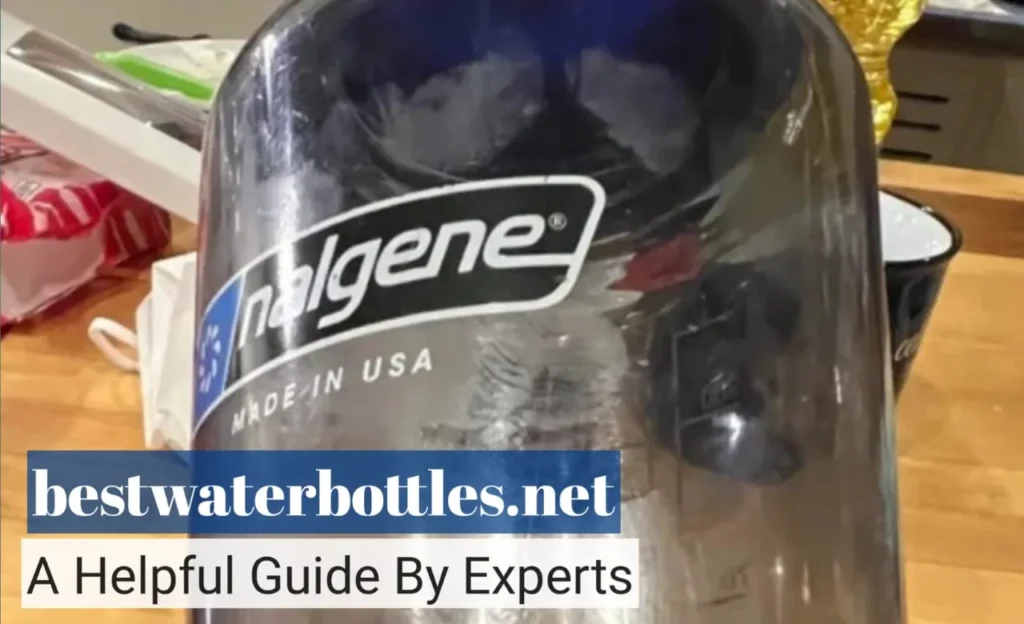
To eliminate the mud, I clean it with vinegar in the same manner. In certain hard situations, I occasionally take denture pills. All one has to do is add one or two into hot water around in the bottle, and allow it to fizz up between 30 and 60 minutes, then rinse and my bottle looks just about new again.
See more Water Bottles that we tested
Additional Hint: Keeping off Mold and smells
One of the easiest methods through which I avoid mold and odors is by having deep cleaning as part of my routine every two weeks. With washing every day, it is always kept fresh with vinegar or some baking soda soaks.

I have also learnt not to have drinks on the bottle too long particularly juices or smoothies. By rinsing the bottle at the point of use, it is possible to prevent the formation of gunk so that the cleaning process is much easier in the long-term. It is more convenient to prevent than cure when it comes to mould.
Looking Something for the Outdoors? Check These Out
FAQ About How to Clean Plastic Bottles like Nalgene
Final Thoughts
Washing your plastic bottles everyday may not be much, but the answer to the accumulation, mould as well as unpleasant smells. I discovered that it only takes a few minutes to put soap, warm water, and a soft brush into my Nalgene to make it taste and smell fresh.
Frequent deep cleaning using vinegar provides additional cover particularly to tenacious stains, transparency, or slight mould. By so doing, you will keep your bottle clear, hygienic and long-lasting. And all you need is some basic upkeep, and your plastic water bottle will be a trusted, safe travel companion on every gulp, hiking, working or on the road.