
How to Get Rid of Smell in Stainless Steel Bottles
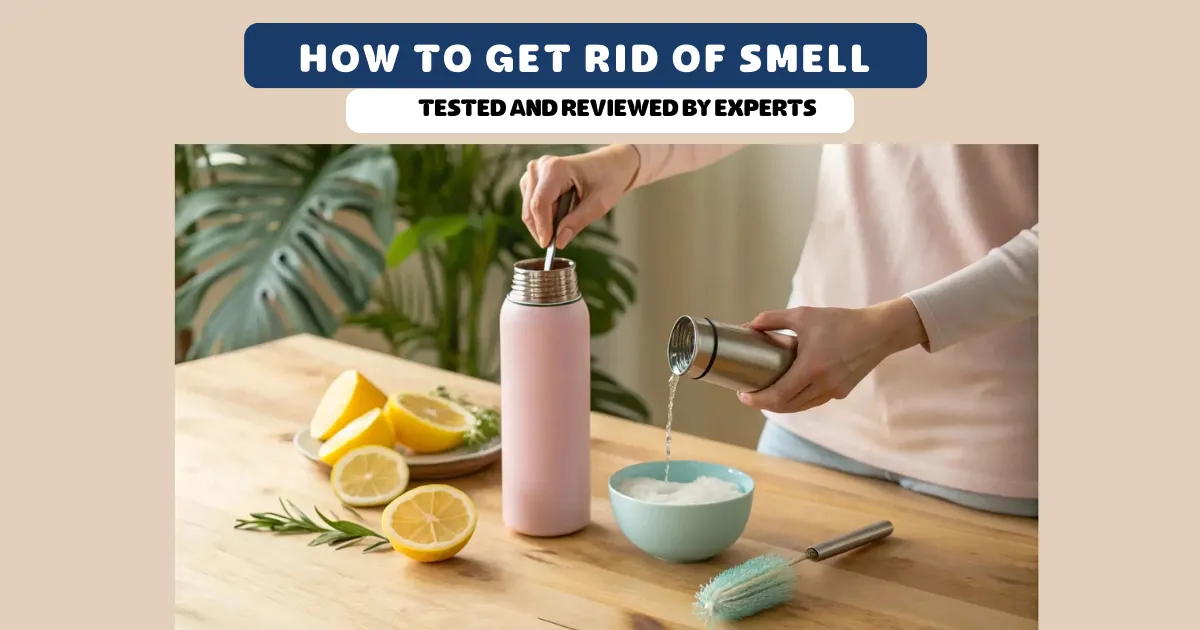
How to Get Rid of Smell in stainless steel bottles with simple cleaning steps. Learn how baking soda, vinegar, and proper lid care eliminate odors and keep bottles fresh.
After starting to use stainless steel bottles on a daily basis, I also thought that they should remain clean and without smell. However, after weeks of tea, coffee and flavored beverages, I noticed that these smells last much longer than I had expected. The bottom, whether in the threading or the inside part of the lid leave residue that lingers and forms an unpleasant smell, which cannot be removed with a simple rinse. Although it is not easy to imbue stainless steel with odors, it is the moisture and the residual water that enable bacteria to multiply rapidly.
I later on came to understand that majority of bad smells are caused by things we do not see such as the remnants of protein shake, the old coffee oils, and the forming of bacterial biofilm under the lid. The more these were left in the bottle, the more the smell. In spite of drinking water alone, within a few days a bottle which has not been washed properly may begin to smell musty. This was facilitated by knowing the reason behind the formation of the odor, which made me know how to clean my bottle properly and avoid a recurrence of the odor.
See more Water Bottles that we tested
Odor Control Activities to be performed at once
The easiest mechanism I use to avoid bad smells is by rinsing the bottle right after use. Hot water dissolves residue more than cold water and removes the oil that is left behind by tea and coffee. I never cease to swirl the water around and pour it through the mouth piece of the bottle lest something is lurking anywhere at the top. This is a fast way of getting rid of odor and ensuring the bottle is fresher until the next thorough cleaning.
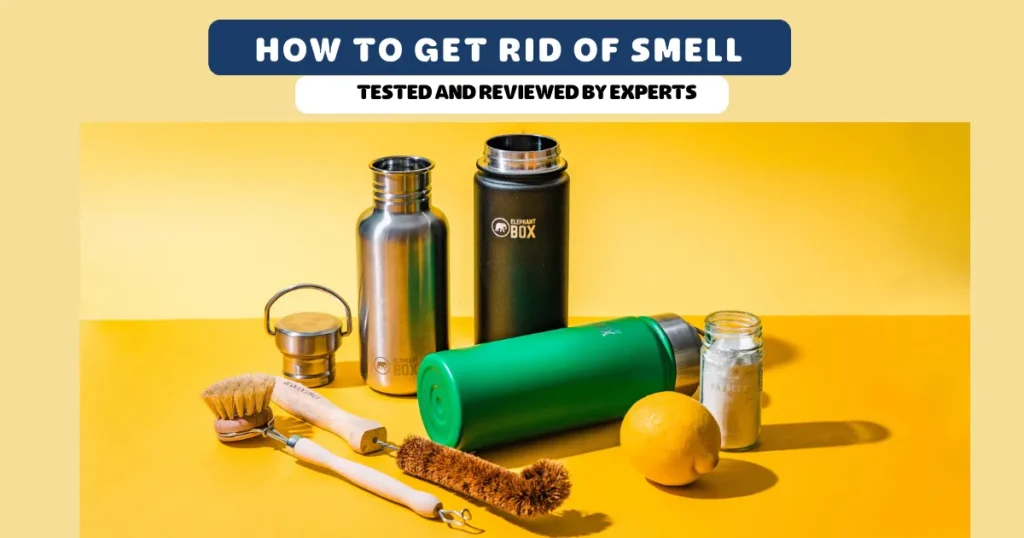
I can spend more time to wash my bottle with a bottle brush and light dish soap. I wash the bottom, the threading around the mouth and particularly under the seal of the lid. These places tend to collect residue which smells with time. I scrub the bottle and then run the bottle under warm water. Such daily care helps in ensuring that small smells do not develop into stronger and more difficult to eliminate odors in the future.
Baking Soda Soak to remove odor
Soon baking soda became one of my cleaning favorites since it can counter the odor but does not harm the bottle. I put hot water in my stainless steel bottle, and one or two tablespoons of baking soda. Once the lid is closed, I shake the blend and leave it in any place between one hour and overnight. The baking soda assists in disintegrating the residue and the musty smell is gone.
After the soak has been completed, I brush the inside with a bottle brush and run under some hot water. One treatment normally gets the smell to vanish, as baking soda is effective in removing bacteria and stubborn odors of beverages. I like this technique since it is mild, cheap and efficient since it is used after putting the bottle in coffee or flavored beverages. This is the solution that I come to whenever I smell the faintest odor.
Looking Something for the Outdoors? Check These Out
Eliminating Smells using White Vinegar Soak
White vinegar is also among the best natural cleaners that I have found to be effective in smells that are stronger. I add an equal amount of vinegar and hot water into the bottle and leave it to sit during 15-60 minutes, based on the intensity of the odor. Vinegar dissolves oils, bacteria and gets down into cracks and crevices that cannot be reached by scrubbing. In the case of difficult smells, the overnight leave is amazingly effective.
I rinse the bottle well after soaking in order to eliminate the vinegar smell. I occasionally give it a follow up as in a quick baking soda wash to eliminate the remaining smell. This mixture continuously makes my bottle smell clean and fresh once more. Vinegar is efficient since it does not only kill the bacterial causing odor on the surface, it kills them at the root. It is a simple, natural remedy, which does not demand any special cleaning items.
Learn More in Our Water Bottle Guides
When to Use Diluted Bleach for Persistent Odors
Bleach is also a last resort that I would only apply when the bottle smells so bad following numerous cleanings. Unscented bleach combined with a liter of water makes a safe and mild solution that kills bacteria fast. I pour this mixture into the bottle and leave it there between 5 to 15 minutes. Bleach is rapid, faster than other procedures, as far as I ever experimented with it but I am ever on my guard when I think of it.
I bleach it and then run the bottle under a lot of warm water and repeat the process with dish soap. I do not combine bleach with vinegar since it produces fumes that are poisonous. I do not use bleach every day as well to prevent the stainless steel finish. However, in case of stubborn odours, which do not lessen, this will put the bottle back to a clean, odor-free state almost instantly.
Fast Deodorizing with Effervescent Tablets
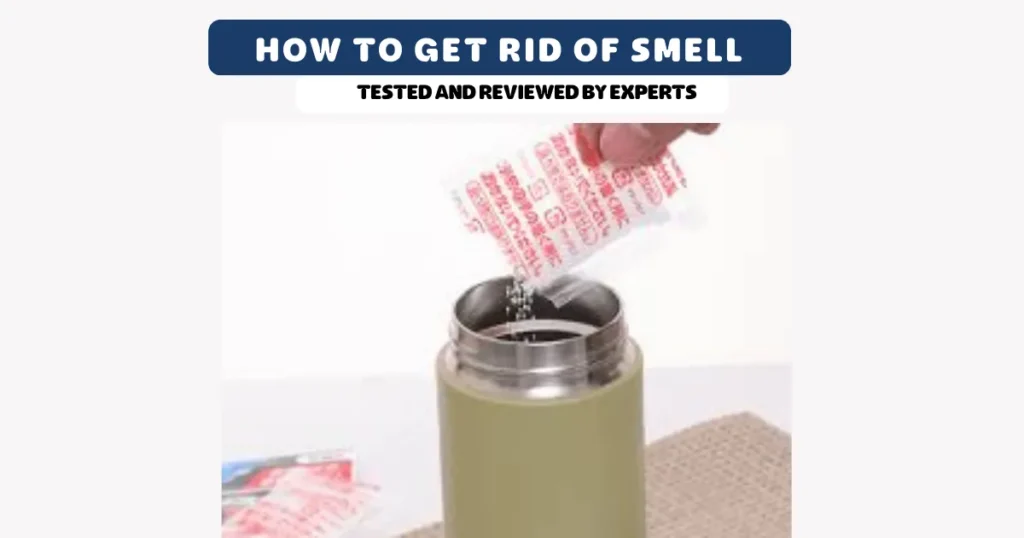
Effervescent pills such as denture cleansers or bottle cleaners have been an easy solution to me, when I need an easy to forget cleaner in a quick and simple way. I put one tablet into the bottle, pour in warm water and fizz until it is recommended. The bubbling effect is useful in eliminating biofilm, tea stains, and the lingering odours in the inside of the bottle without scrubbing.
When the fizzing stops, I run much water into the bottle and allow it to dry. This trick is most useful in cases when I am in a rush or when I do not need to use harsh chemicals to clean more profoundly. The tablets are also very effective in eliminating the long lasting odors due to protein shakes. They are convenient, predictable and soft on stainless steel thus are a wonderful addition to my cleaning regimen.
Washing of Lid, Gasket and Small Parts
I have appreciated the fact that the majority of smells arise due to the lid rather than the bottle itself. Stainless steel interiors can be readily cleaned, but lids have rubber gaskets, straw constructions and crevices that the residue becomes stuck. I would never forget to take out the gasket, the mouthpiece and other small components before deep cleaning. These articles retain moisture and bacteria and therefore are major sources of lingering odors.
Learn How to Get Rid of Smell in stainless steel bottles ,I have these small pieces soaked in vinegar, in solution of baking soda or in effervescent cleaner. So then I clean the crevices with a little brush or a cotton swab or a tooth pick to get the build up that is still there. When a gasket cracks or just becomes permanently stained, I change it since old rubber always retains smells however much I clean it. The solution to the issue of smell is to take care of the lid.
See my comparison of different Bottles & Tumblers
Quick Sanitizing Boiling Water
Another technique that I employ is boiling water and I do this on the parts that the manufacturer has approved. There are other stainless steel bottles that can be filled with boiling water to clean the surface. The heat instantly destroys bacteria and looseness of any accumulation. The technique is particularly useful when the bottle is used in milk or protein shakes leaving a strong smell.
Nevertheless, I never boil vacuum-insulated bottles or lids made of plastic unless the manufacturer indicates that it is safe. Insulation may also be damaged under high heat, or plastic may be warped. Odors can also be removed surprisingly easily, fast, and cheaply when it is permitted to boil water. After cooling the bottle, I clean with a weak soap and leave it to dry completely.
Why Proper Drying Prevents Odors
I have discovered that an otherwise immaculate bottle may begin to reek otherwise unless it is dried appropriately. When moisture is trapped in it makes the environment perfect to develop bacteria and mildew. My bottle is placed in an upside-down position on a drying rack with a completely open lid after each wash. The most effective way of fighting the moisture-related smells is good airflow.
In case the bottle is slowly drying I put a clean paper towel to dry any remaining moisture. This will stop the development of musty odors overnight. I do not keep my stainless steel bottle so tightly closed with the lid on it as this will keep the humidity inside the bottle. Proper drying is also as important as proper cleaning and it makes the bottle last much longer.
Honest Water Bottles & Tumbler Reviews You Can Trust
When to Change your Stainless Steel Bottle
Despite having the most appropriate cleaning schedule, there are times when it is safe to change the bottle. Scratches, broken seals and lingering odors are a typical indication of bacteria that is deposited and not removable. When strong smells are re-emitted in the same way after extensive cleaning, then it is usual that the bottle or gasket has been left with long-term residue.
I also change the lids after every six to twelve months; in particular, when I use the bottle everyday. The lids are the most worn and the old gaskets have the ability to hold the smell always. In the event where cleaning procedures are not effective, the change of the bottle or lid is a guarantee of safe and clean hydration. With a clean smelling bottle, it will always feel better to use and the water will also taste crisp and refreshing.
FAQ – How to Get Rid of Smell in Stainless Steel Bottles
Final Thoughts
Gradually, I have learned that it is absolutely possible to eliminate the odor in stainless steel bottles with the help of the right measures. The smelliest bottle can be restored by baking soda, vinegar, effervescent tablets and cleaning the lid properly. Rinsing and drying daily will save time and effort by avoiding odors before they occur. These are the basic things I do and keep my bottle clean and safe to use on daily basis.
When the odors continue to reoccur, then one might be certain that the lid or gasket should be changed. It is not only better to keep your bottle clean to enhance the taste of your water, it is also important in protecting your health. The stainless steel bottles require a couple of simple cleaning routines to remain odorless over years and remain a stable constituent of your daily hydration regimen.