How to Stop Water Bottles Leakage – Simple Fixes
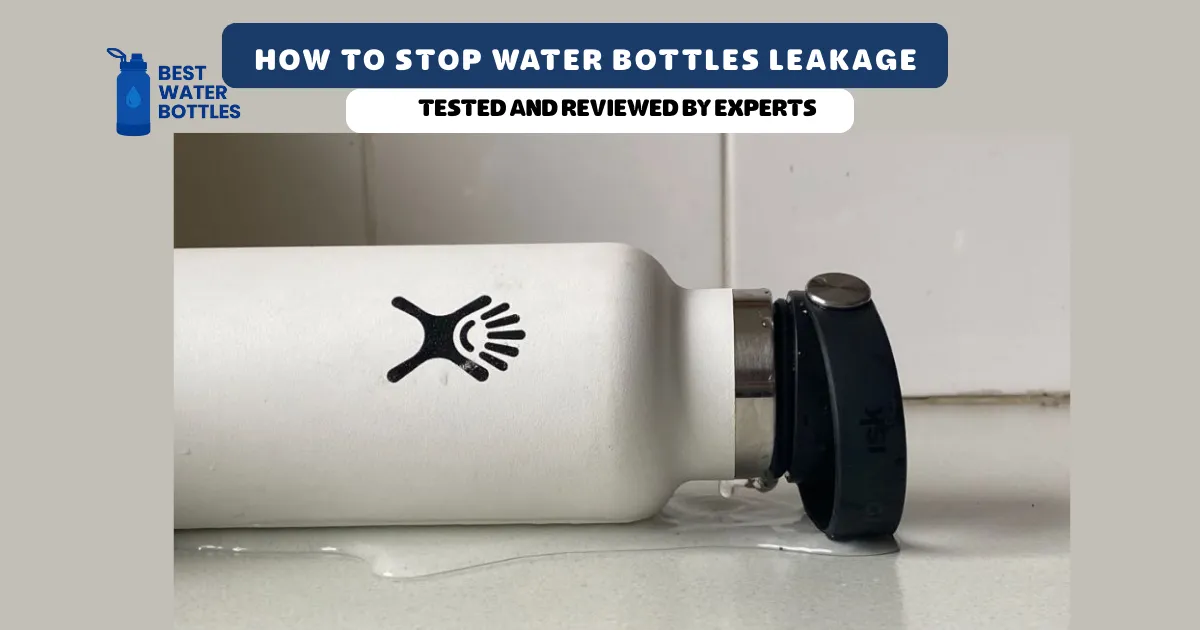
Learn how to stop water bottles leakage with simple fixes. Discover causes, solutions, and prevention tips to keep your bottle leakproof for daily use.
I did not even give much thought to leaking water bottles until I started having to deal with wet bags, wet clothing and wasted beverages almost every week. A leaking bottle would always appear at the most inopportune moments, whether I am heading to the gym, commuting to work or packing a hike. I needed some time to realize that any kind of break in the seal or a broken gasket can mar the whole experience. When I started to listen to the reasons, all the things of using water bottles became simplified and much more trustworthy.
The most surprising fact about leakage was that there are numerous causes of leakage including manufacturing flaws, abuses, wear and tear, temperature variations, and even minute impacts. A best water bottle that appears to be in a perfect condition in the outside might be leaking due to a single small problem inside the lid. Understanding the causes made me more trouble-shoot to avoid replacing bottles when it was not necessary. It is the best to understand why leaks occur and then repair the situation and stop such problems in the future.
Production Problems that result in Leaks
Among the initial things I have learned is the fact that there are leaks that are caused by the factory defects and not anything that I have done wrong. There is a tendency of low quality plastic or metal bottles to have uneven welding, weak seams, or lids that have not been molded and therefore never make a tight seal. Even when the bottle has an appearance of a new one, it may leak when the cap does not fit smoothly and the groove of the gasket is irregular. These problems are aggravating as they cannot be resolved by cleaning or adjusting to some satisfactory level.
In the long run I realized that when bottles were used a few times cheap ones were very likely to leak. Brands of superior standards in manufacturing possessed superior seals, gaskets, and dependable threads. I have since learnt to make sure the cap is properly aligned and threaded before I use a new bottle. Manufacturing quality will minimize the risk of leakage and save me the burden of having to replace and trouble-shoot.
See more Water Bottles that we tested
Wrongful Usage Crippling the Seal
I would screw the lids of my bottles as tight as I could since I thought the tighter the better the seal. However I soon came to know that over-tightening is actually putting a strain on the gasket instead of compressing the seal in the same manner. This is among the most frequent causes of bottles to leak. Twisting a lid too hard or putting it in a wrong position causes the gasket to be pinched, stretched or misaligned. When the seal is not taken off smoothly, there are leakages even when it is not used intensively.
Misuse also occurs when the cap is not fully closed or cross threaded. I have spilled my bottle on an angle more than once I would like to admit and every time it was a wet mess. The time required to properly align the threads, which is 2 seconds, as well as moderate pressure closing the lid, are significant. Proper application maintains the seal and even prevents leakage even before it starts.
Looking Something for the Outdoors? Check These Out
Wear and Tear That Affects Sealing Performance
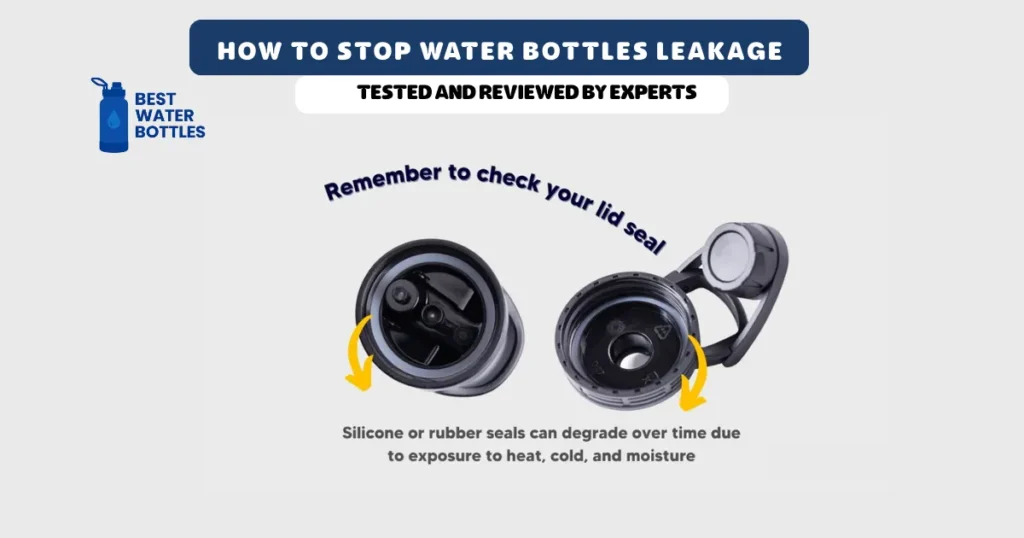
Even the finest water bottles do not last long and mostly the parts that close them. In the long run rubber gaskets either get dry, brittle or stretch due to repeated use. This natural aging decreases their sealing capacity and leakage becomes very probable. I was initially aware of this issue when I used bottles that I had to use on a daily basis the gasket seemed to be ok yet the bottle still leaked water when rotated or shaken.
The bottle then performed on the new gasket, which was much older. Since this time I have been taught to examine gaskets frequently to see whether they are cracked or stiff. Seals, threads and lids also wear down over time and more so when the bottle is washed frequently in the dishwasher. Periodic check-ups and replacement of the parts makes my bottles last longer and prevents leakages to a large extent.
Temperature Differences That Cause Pressure Imbalances
Another aspect that I was not aware of is the fact that temperature is a very important issue in leaking. When a cold bottle is filled with some boiling water, this is when a change in pressure occurs in the container or when ice is added to a warmed bottle. This pressure may force liquid to go beyond the gasket that results in unforeseen leaks. I have observed this the most when I would leave my bottle in a hot car or when I would enter in a warm room after I would have been outside in the cold.
Learn More in Our Water Bottle Guides
Changes in temperature cause the expansion and contraction of the bottle and the sealing materials occasionally loosening the bond. Today, I attempt to prevent extreme changes of temperature as much as I can. The gradual movement of the bottle assists in keeping the bottle sealed up. This knowledge of temperature and its influence on pressure has helped me to remove numerous unexplainable leakages that otherwise appeared out of nowhere.
Repairing Water Leaks through Quality Bottles
I tried to understand at an early stage that the easiest solution to leakage issues is to buy a high-quality water bottle, and not to have any leakage at all. The superior brands will be made of more robust materials, thicker gaskets, and sharper cut threads that fit in each other perfectly. Whenever buying a new bottle, I ensure that the bottle top screws in place easily and in a smooth manner. Spending a bit more now will save me the hassle of leaks, replacement and continuous clean up in the future.
Quality bottle also has more durability and it works in various conditions. Outdoor usage to the office, a good bottle will be safe even when thrown in a bag or when taken upside down. My experience proved stainless steel bottle systems with good gaskets are much more trustworthy than the poor ones created with plastic. Selection of quality gets rid of a majority of leak problems even before they occur. Learn How to Stop Water Bottles Leakage with Simple Fixes.
See my comparison of different Bottles & Tumblers
How to use water bottles without the leakage
Much of the preventive measures in terms of preventing leaks concern the way I utilize the bottle. I no longer accomplish it so by twisting the cap as tautly as I can, but I merely close it and make sure that the threads are correctly matching. This helps avoid damage to the gasket as well as making sure that there is no difference in the pressure around the seal. Another thing I do is to test the lid within seconds by inverting the bottle and throwing it into a bag. It is a simple habit that makes me not get caught off guard in the future.
I have also ensured that I clean the threads and gasket area regularly. The cap is not allowed to close well due to the dirt, oils or residue that gets stuck around the seal. The seal should be functional and tight because of regular cleaning. When used properly, in combination with proper care of the bottle, the leaks are minimal and the lifetime of both the bottle and the lid is extended.
Honest Water Bottles & Tumbler Reviews You Can Trust
Installation of Gaskets and Seals where necessary
One of the fastest methods of repairing leaks is through the replacement of the gasket particularly when the bottle is old. These rubber rings are small and wear out naturally and lose their shape. I also have a couple of extra gaskets in my reserve to make sure that I can change them whenever they feel either stiff or loose. An old bottle is given a new look like a new gasket.
When the bottle still leaks after changing the gasket, then it is possible that the problem is with the threading or the cap itself. The best solution then would be the replacement of the lid. I have reused a few old bottles, which I just changed the lid and did not discard the entire bottle. This little maintenance measure will save money, waste and recurring leakage issues.
Stopping Leaks with Easy Objects and Gadgets
Leakproof rings, silicone seals as well as leakproof tape have assisted me in mending stubborn bottles that otherwise do not close effectively. Silicone rings provide a better seal particularly in the case of older bottles where the threading is not flawless. Leakproof tape provides an additional coating between the bottle mouth and the cap which enhances sealing of both metal and plastic bottles. These tools are cheap yet very helpful to avoid leakage.
Insulated cup mats are also used by me in order to minimize damage to leakage problems due to temperature variations. Storing the bottle on a mat would ensure the consistency of the temperature and avoid leaks caused by condensation. Vacuum plugs are good when I have to keep a liquid over a long time without considering a variation in pressure. Incorporating these little things into my life has made me stop nearly all the issues of leakages.
Routine Cleaning to ensure that the bottles are not leaking
I do reminisce that one of the things I do is that water bottles should customer water bottles should be maintained regularly just as other reusable products. I ensure that I examine the gasket, lid and threads at least once in a week to ensure they are in good shape. Washing of both the interior and exterior of the bottle ensures that there are no accumulations that may interfere with the performance of sealing. It is also advisable to keep the bottle dry when not in use to avoid any problem of mould and odor.
These basic practices have lasted longer in time, and my bottles have remained totally leak-free. Several minutes saved during the maintenance process will spare me the hassles of always cleaning as well as having wet bags and nasty spills. The secret of keeping a water bottle that is useful in everyday life is sealing performance. Leaks are no longer a normal occurrence with frequent maintenance.
FAQs: How to Stop Water Bottles Leakage
Final Thoughts
The ability to prevent water bottles to leak has helped me save a myriad of angst. A majority of the leaks occur due to minor problems such as deteriorated gaskets, improperly aligned lids, variations in pressure or low quality materials. It was after I started knowing these reasons that it was easy and straightforward to fix leaks. Any bottle could be made reliable again with the help of appropriate habits, tools, and care.
Leakproof bottle simplifies daily hydration, cleaning it and makes it more pleasant. By selecting quality, proper use of the bottle, changing the one that has worn out, and conducting routine check-ups, the leak-free experience can be achieved. These easy solutions have helped me to stop worrying about spills, it is now just about safe and convenient hydration wherever I go.