
Prevent Odors by Storing Water Bottles Properly: Simple Tips for Fresh
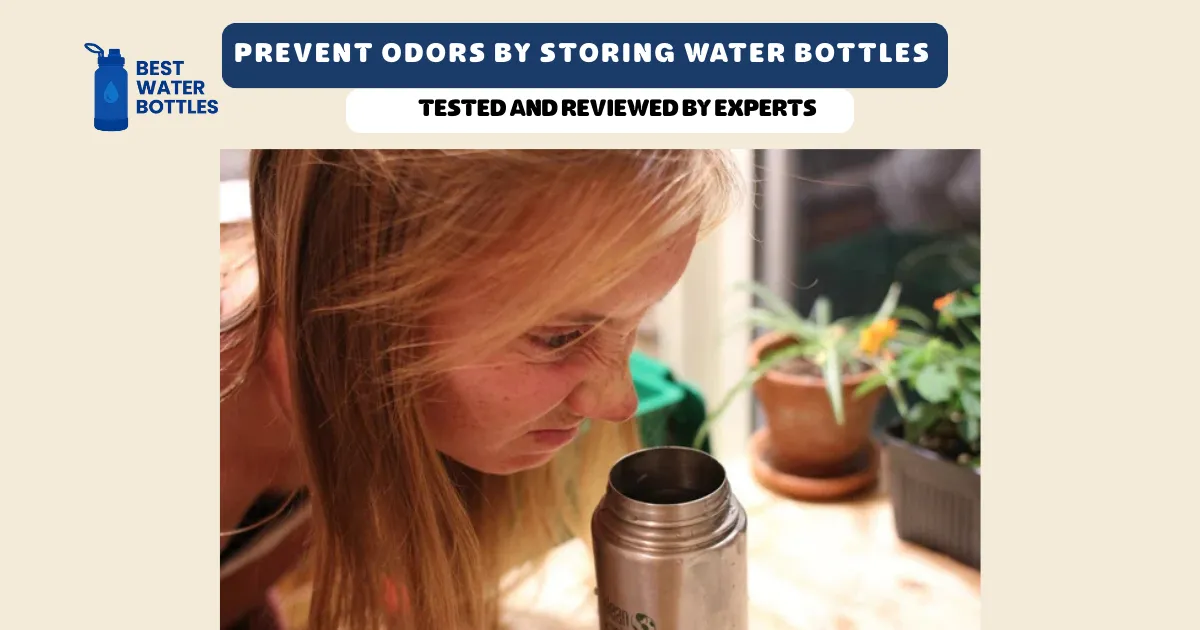
Prevent odors by storing water bottles properly. Learn cleaning tips, drying methods, airflow tricks, and quick fixes like vinegar, baking soda, and freezer deodorizing.
I had been wondering all these years why my water bottles had a strange smell despite the fact that I washed them on a regular basis. The smell was at times faint and sour, and at other times so strong, that the bottle was inept. I later found that the issue was not necessarily about washing, but my storage of bottles. Keeping a bottle of water in the wrong place traps water, promotes bacteriological activities and it develops that indefinable old water smell that no one can ever get rid of. As soon as I stopped storing stuff in this way, the smells promptly faded away.
The importance of proper storage is as much as the proper cleaning since bacteria breed in the dark and damp environment – the same kind of environment present in an unopened bottle of water. A perfectly clean bottle can also acquire smells when it is still wet even when it is closed. By providing ventilation, keeping bottles in the appropriate place, and washing all smaller elements of my bottle frequently, I have managed to preserve my bottles and maintain them as fresh as possible without any dreadful smells. A major difference in the life of all bottles and the cleanliness lies in good storage practices.
The Importance of Cleaning Before Storage
The first thing that I learned is that to put a dirty bottle will always result in the generation of bad smells regardless of how one may store it. Even the slightest portion of the left-over coffee, juice or flavored water is left with sugars and oils. These serve as bacteria and mould food. I will make sure that before I keep a bottle more than a day, I would wash it well using hot, soapy water. Bottle brush can assist me to access the bottom and corners particularly in stainless steel bottles where the residue is more difficult to notice.
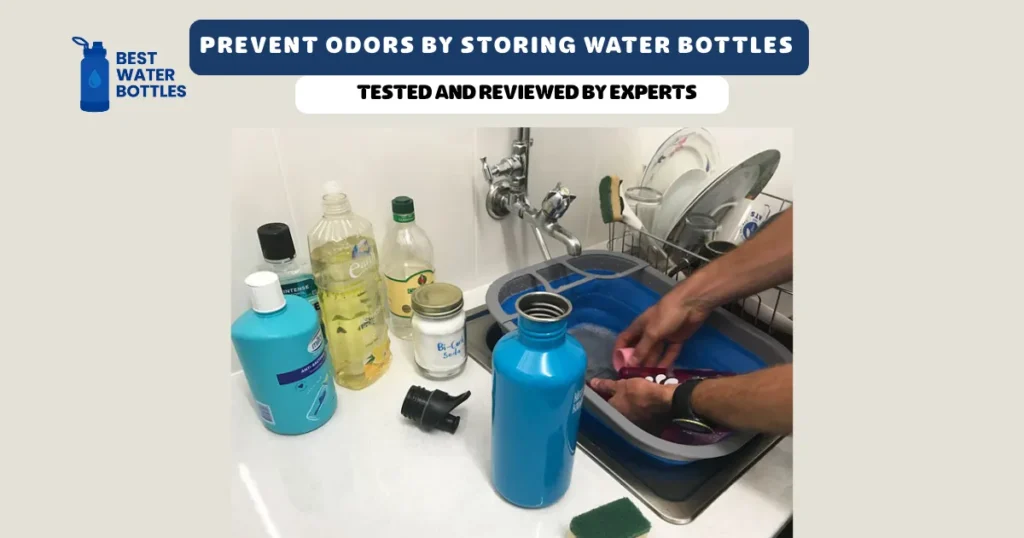
Deep cleaning every week will also be useful in stopping the accumulation of odors. My routine includes baking soda soaks, vinegar rinses, and warm water scrubs. Baking soda in warm water left overnight is a good remover of odors, and vinegar is good at breaking down mineral deposits and bacteria. In the case of stainless steel bottles, vinegar, baking soda, and hot water are a very effective mix. Washing can be done in a few minutes and it spares hours of aggravations caused by smelly bottles in the future.
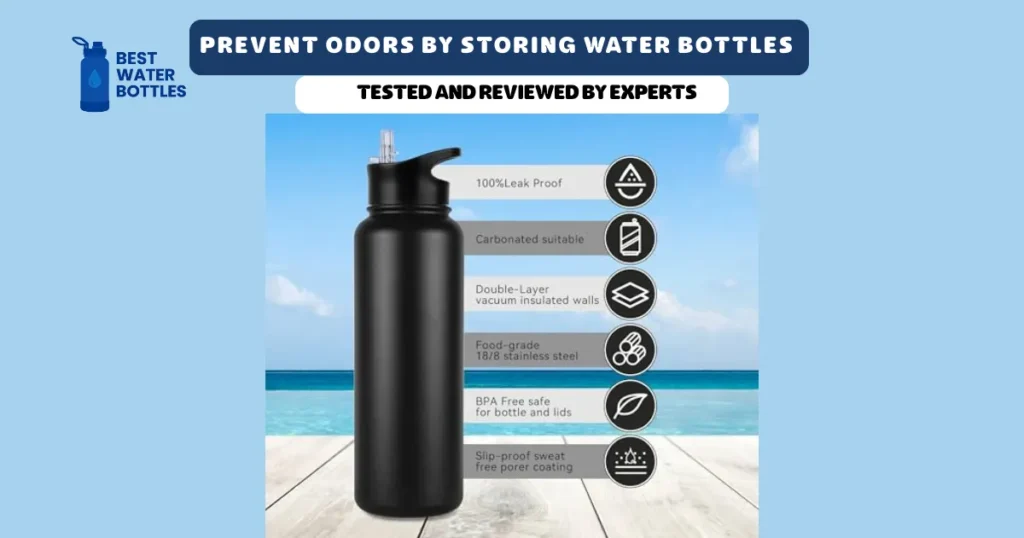
See more Water Bottles that we tested
The Reason Lids, Straws and seals should be washed
The first time I started putting the bottles in place I would not think of how to put the lid in any way and instead, only concentrate on putting the main bottle in place. However: the fact is: it is the odor of the lid and not the bottle. Moisture and bacteria are ensnared by rubber gaskets, straw holes and crevice spaces. It is only when the inside of the bottle is immaculate that the smell will go away within a short time, unless the lid is washed frequently. I now will always remove the lid before washing to be able to scrub all parts.
Straws and silicone seals are an exception since they are easier to be scented in contrast to stainless steel or glass. It is better to moist these parts in vinegar or baking soda to neutralize any residual build ups. In case some of the parts still smell bad after cleaning, I will never hesitate to change it. The solution to a bottle with an unpleasant permanent smell is to put in a fresh gasket or straw and keep it. Odor-free storage requires lids, which are clean and learn Prevent Odors by Storing Water Bottles .
After washing, Drying, the Final and the most important
Among all the rules, there is one I find the most important to follow, and it is not to leave a water bottle stored when it is still wet. Even a bit of moisture on the inside has built up a warm humid atmosphere in which the growth of molds and bacteria thrives. I empty my bottles and then place them on a drying rack upside down until they become drying. I even leave them in a whole day sometimes to ensure that no wetness can be left inside.
It is also important to dry off lids and gaskets. Silicone seals tend to trap water and thus I dry them out separately. The fastest method of generating odors is to put a bottle aside even a bit wet. Since I began to pay attention to the drying of the bottles, I had them much longer and had to clean them deeper not so often. The basis of preventing odors is proper drying.
Looking Something for the Outdoors? Check These Out
Leaving Bottles with the Lid open to Fresh Airfield
Bottles may be stored with the lid not shut and this is among the easiest and most efficient methods of avoiding odor. It enables circulation of air in the bottle and avoids moisture and musty odours. Every time I keep a bottle on longer than a day I keep the cap loose–or open it all the way through. Although a bottle can be perfectly cleaned, the bottle is enclosed in humidity and produces odors with time.
This technique is particularly effective on glass and stainless steel bottles since they take a long time to dry inside. It is also important that the rubber gasket should not be able to retain moisture by keeping the lid open. I have also observed that not many bottles stashed this way acquire any bad smells even after a period of not being used after weeks. Airflow is an automatic deodorizer and it needs no effort at all except to remember not to close the bottle after washing.
Learn More in Our Water Bottle Guides
Selection of Appropriate Storage Environment
It is more important where you store your bottles than what most of us may think. Rooting bottles in a dark, cool, and dry space will contribute to the prevention of the development of mold and bacteria. I do not leave the bottles close to windows, hot cars, or wet cabinets. Bacterial growth and smells are much faster in the presence of heat and humidity. I prefer the use of open shelves, ventilated pantries, or counter top drying racks instead.
It is also good to keep the bottles away in presence of chemicals, cleaning agents, and food that has a strong smell. Silicone and plastics are able to pick up the smell of adjacent products. Even stainless steel is capable of adopting some slight odors when kept in areas where harsh chemicals are kept. I can store my bottles longer in a clean well-ventilated area, which helps to maintain their cleanliness and their lack of smell.
See my comparison of different Bottles & Tumblers
Do not keep Bottles that have been filled over a long time
I do not leave a bottle of water to fill up unless I have a usage of it as a drink. Storing of filled bottles (particularly plastic) on long-term basis forms stagnant water which is unpleasant to smell even after several days. Bacteria can be absorbed by plastic and the remaining minerals in tap water will promote growth. Stainless steel is lesser, but even at that, long-term storage of water will result in a metallic appearing taste.
Rather, I never leave the bottle without emptying it, washing it and leaving it open until I want to use it. This makes sure that I use clean water every time. In the case of plastic bottles, the long-term storage in liquid is particularly unsafe as the aromas are incorporated into the substance. It will help to store the actual liquids in the bottle and avoid long-term liquid storage, which will prolong the life and keep the bottle cleaner.
Improved Smell Instant Solutions
The bottle has an unexpected odor even when it is well stored. The moment that occurs, I apply fast remedies such as freezer technique. A clean and dry bottle stored in the freezer a few hours assist in killing bacteria that causes odors- particularly in the stainless steel bottles. Before using glass bottles, I will always look at the manufacturer instructions, especially during a sudden change of temperature which the glass bottles will not respond favourably.
The next trick that works surprisingly well is the stuffing of a bottle with a crumpled newspaper overnight. The newspaper is to absorb the residual odours and by morning, the bottle would have a neutral smell. The technique is non-toxic to any types of bottles, and also does not entail the use of chemicals. These two tips are useful when I want to be odor free immediately but I do not have to clean them thoroughly.
Honest Water Bottles & Tumbler Reviews You Can Trust
Long-Term Maintenance Habits That Prevent Odors
I have also learnt that it is very easy to keep a bottle of smelly perfume clean and neat every time it is used so that the body can be kept clean. It is important to wash off with hot water as soon as one has drunk the water so that it does not stick. Cleaning every week means that there are no opportunities to develop bacteria or mold. Calling open and dry bottles to store, keeps smells out of the way to begin with.
Another significant habit is to replace worn gaskets, old lids, and straw parts. These components become incapable of remaining clean with time. I have only saved quite a number of bottles just by replacing a dirty gasket. Any water bottle can be kept fresh and free of any smell after many years with a bit of cleaning, drying and part replacement.
FAQs – Prevent Odors by Storing Water Bottles
Final Thoughts
The knowledge of the proper storage containers of the water bottles has entirely transformed the smell and performance of my bottles. The battle with the bad smell and the unwilling to leave traces is long gone, and now nothing but a routine which keeps everything clean. Wash, rinse and dry, keep the lid open and keep it well ventilated all of this will eliminate odors almost before they begin.
Stainless steel, plastic, or glass, good storage practices will help your bottle to resist mould, bacteria and bad odours. Additionally, when you clean your water bottle on a regular basis and make intelligent decisions on how to store it, your water bottle will be fresh, safe and ready to use daily. Storing it properly is not very complex, it only requires consciousness and a handful of habits to make it.